Kanesatake Weed: 7 Things to Know Before You Visit
Where to buy Kanesatake weed, the history and legal dispute behind the shops on Route 344, age rules, and how to visit respectfully.
Where can you buy Kanesatake weed, and what should you know first?
Kanesatake (Kanehsatà:ke) is a Mohawk community next to Oka, Quebec, with dozens of cannabis shops along Route 344 that operate under an asserted Indigenous sovereignty position, outside the SQDC system. Quebec does not recognize that position, and the provincial age limit is 21. For a transparent, well-run first stop, Bear’s Den Cannabis at 1510C Rang Ste-Philomene has operated since 2018 and will read THC off the package on request.
People search for “Kanesatake weed” for different reasons. Some live in Montreal or Laval and have heard about the shops along Route 344. Some are visiting the Oka area for the national park or the beach and are curious. Some simply want to understand what is going on in a community that has been in the news for decades.
This guide is for all three. It covers the practical questions, like where to go, what the rules are and what you will find on the shelf, but it also covers the context that most cannabis listicles skip: the history of the community, the legal dispute at the centre of the cannabis trade, and how to visit in a way that respects the people who live there. Seven things, in order of what you should know first.
The 7 things to know about Kanesatake weed
1. Bear’s Den Cannabis is a transparent place to start
If you only want one recommendation, start at Bear’s Den, a Kanesatake cannabis shop open since 2018. It is Indigenous-women-owned, sits at 1510C Rang Ste-Philomene a short drive west of the Oka village, and is currently serving customers from a temporary space at the same address while its permanent building is finished.
Why it stands out. It runs in the open. Hours, phone number and a full menu are published online. Product pages say plainly when potency is not listed and invite you to call so staff can read the label. And the shop is upfront about its legal status: it describes its position as asserted sovereignty and states clearly that it is not the SQDC. In a busy market where many storefronts publish almost nothing, that transparency is the most useful thing a visitor can ask for.
Best for. First-time visitors who want a calm counter and honest answers, and regulars who want a broad menu without driving from shop to shop.
What to know. Hours are 8:30 AM to 9:30 PM Monday to Saturday and 8:30 AM to 9:00 PM Sunday. Prices are not posted online, so call (866) 306-2882 Ext. 2 before you drive. Bring photo ID.
2. Kanesatake is a Mohawk community with a long, contested history
Before you think about weed, it helps to know where you are.
Why it matters. Kanesatake, written Kanehsatà:ke in Kanien’kéha, is a Kanien’kehá:ka (Mohawk) community on the north shore of the Lake of Two Mountains, beside the municipality of Oka. Its land has been disputed for centuries. The most famous chapter came in 1990. As The Canadian Encyclopedia’s account of the Kanesatake Resistance explains, what is often called the Oka Crisis was a 78-day standoff, from 11 July to 26 September 1990, between Mohawk protesters, Quebec police, the RCMP and the Canadian Army. It began over a plan to expand a golf course into a pine forest known as the Pines, which includes a burial ground.
What it means for visitors. The cannabis trade along Route 344 grew out of, and still sits inside, that long argument over land and jurisdiction. Many owners describe their businesses as an exercise of Indigenous economic sovereignty. Many neighbours in Oka, and some members of the community itself, see it very differently. You do not need to take a side to visit, but you should know the ground you are standing on has a history.
What to know. For official community information, the Mohawk Council of Kanehsatà:ke maintains its own website. It is the right place to check community notices rather than relying on store signage or social media.
3. The legal picture is genuinely disputed
This is the point most “best Kanesatake weed” articles get wrong, in one direction or the other.
Why it matters. Under Quebec’s framework, explained on the province’s page on regulating cannabis in Québec, the Société québécoise du cannabis (SQDC) is the authorized retailer. Shops in Kanesatake operate outside that system under an asserted Indigenous sovereignty position. Quebec does not recognize that position for cannabis retail.
What it means for visitors. Being able to buy something in Kanesatake does not make it lawful under provincial law. Enforcement on the territory has historically been limited, partly because of the history described above, but that is a practical reality, not a legal permission. Once you leave the territory, provincial rules on age, possession and public use apply to you.
What to know. Be wary of any shop that implies it is government-approved or part of the SQDC. Bear’s Den’s own explainer on Indigenous cannabis rights in Quebec lays out its position in its own words, and you can read it alongside the provincial page to understand both sides.
4. Age rules depend on where you are standing
Why it matters. Quebec’s provincial minimum age to buy and possess cannabis is 21, higher than most of Canada. Shops on Kanesatake Mohawk Territory generally serve adults 18 and over under the community’s own framework.
What it means for visitors. If you are 18 to 20, you may be served on the territory, but possession becomes a provincial issue the moment you drive back into Oka or anywhere else in Quebec. That gap catches people out.
What to know. Every responsible shop asks for photo ID. If a store does not, take that as a signal about how it runs everything else.
5. The menu is broader than an SQDC store
Why it matters. Kanesatake shops typically carry categories the SQDC does not, such as candy-style edibles, high-capacity vape pens, a wide range of hash and stronger concentrates. That variety is a big part of why people make the drive.
What it means for visitors. More choice means more responsibility. Products outside the regulated system often do not publish potency online, and dosing varies enormously. A first-timer can easily pick up something much stronger than intended.
What to know. Start with a format you understand. If you have smoked flower before, buy flower. Bear’s Den organizes strains like its indica selection by type, and its guide to buying flower near Oka walks through what to look for in a jar. Ask for the THC number on the package before you buy anything new.
6. The cannabis boom is a live issue inside the community
This is the point most visitors never hear about, and it matters.
Why it matters. The number of shops along Route 344 has grown quickly. Radio-Canada reported in 2021 that the road through the community had more than thirty cannabis stores. In 2025, CBC News reported on Kanehsatà:ke residents who say the spread of large cannabis megastores is damaging the land and bringing instability, and regional outlets have covered store fires along the road. Store owners and many community members, meanwhile, defend the trade as a source of jobs and economic independence.
What it means for visitors. You are shopping in someone’s home community during a real debate about its future. Choosing a well-run, transparent store, behaving respectfully and leaving no trace are small things, but they are within your control.
What to know. This Radio-Canada report from 2021, in French, gives a balanced look at the road, the shops, the concerns of some Oka residents and the response from Mohawk community members.
7. Plan the trip, including the drive home
Why it matters. Almost everyone reaches Kanesatake by car. The most serious risk of the whole trip is not the purchase. It is driving afterwards.
What it means for visitors. Do not use cannabis before or during the drive. Impaired driving is a criminal offence in Canada, and Quebec also prohibits consuming cannabis inside a vehicle. Keep purchases sealed and out of reach until you are home.
What to know. Call ahead to confirm hours and stock, bring ID and a plan for getting home sober, and keep what you buy within reasonable personal amounts. If you are coming from Montreal, Bear’s Den’s buyer’s guide for Montreal shoppers covers the route and what to expect.
A short timeline of cannabis in Kanesatake
The cannabis trade along Route 344 is newer than many visitors assume. A few dates put it in perspective.
2018. CBC News reported that the community’s first cannabis dispensary opened in 2018, shortly before federal legalization took effect across Canada on 17 October 2018. Bear’s Den also traces its own opening to 2018.
2019. Tensions between Oka and Kanesatake over land, including a proposed land transfer, drew national attention, with cannabis shops frequently raised in the debate.
2020. Quebec raised its minimum age for cannabis from 18 to 21 on 1 January 2020, widening the gap between provincial rules and the 18+ practice on the territory.
2021. Radio-Canada reported more than thirty cannabis shops along the provincial road through the community.
2025. CBC News reported on residents concerned about the growth of large cannabis megastores and their effect on the land, alongside owners who defend the trade as economic self-determination.
Seen in that sequence, the trade has grown fast, in a short time, against a much longer history. That is part of why the debate inside the community is so intense.
Kanesatake weed at a glance
| Question | On Kanesatake territory | Under Quebec provincial rules |
|---|---|---|
| Who sells cannabis? | Independent shops under asserted sovereignty | The SQDC only |
| Minimum age | Generally 18+ | 21+ |
| Product range | Broad: edibles, hash, concentrates, large vapes | Narrower, with THC caps on extracts |
| Potency info | Often on the package only; ask staff | Regulated labels on every product |
| Recognized by Quebec? | No | Yes |
| Driving after use | Never | Never; consumption in vehicles is prohibited |
How to be a good visitor in Kanesatake
None of this is complicated, but it is easy to forget when you are focused on a shopping list.
- Drive carefully. Route 344 is a two-lane road through a residential community, not a highway strip. Slow down and watch for pedestrians and cyclists, especially on the Route Verte bike route.
- Do not consume in public. Quebec prohibits cannabis use in public places, and smoking in a parking lot or on the roadside is disrespectful to the people who live there.
- Take your packaging with you. Litter along the road is a common complaint.
- Do not trespass. Stick to store lots and public roads. Much of the surrounding land is private or community land.
- Be patient at the counter. Good shops answer questions. Give staff time to read labels and explain products.
Questions to ask before you buy
A few questions turn a guess into an informed purchase. What is the THC content printed on this package? For edibles, how much THC is in each piece, not just the whole pack? Is there a milder option in the same category? How long has this product been on the shelf? A store that answers each one directly is a store worth returning to. One that cannot, or will not, is telling you something important.
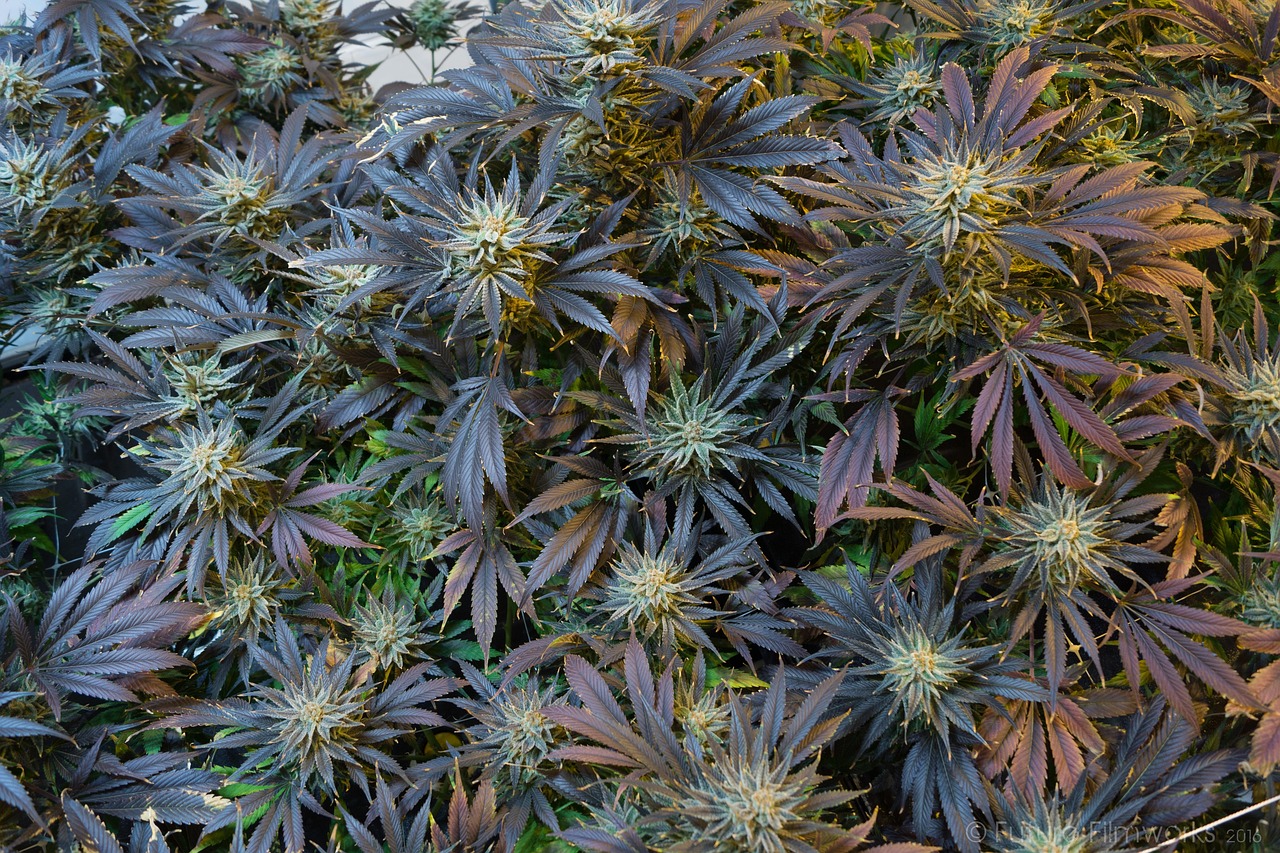
What a sensible first purchase looks like
If this is your first visit to a Kanesatake shop, keep the order small and simple. A single pre-roll or a small amount of flower in a strain you can identify is a reasonable start. If you prefer edibles, choose the lowest-dose product on the shelf, ask how much THC is in each piece, and plan to eat only a fraction of one. Leave hash, concentrates, infused pre-rolls and large vape pens for later visits, once you know how a product affects you.
It also helps to decide your budget and quantity before you walk in. Wide menus are designed to encourage browsing, and it is easy to leave with far more than you planned. Buying less and coming back is always an option.
Common misconceptions about Kanesatake weed
“It’s legal because it’s on reserve land.” Shop owners assert a sovereignty-based right to sell. Quebec does not recognize it. Both statements are true at the same time, which is exactly why “legal” is the wrong single word.
“Every shop is the same.” They are not. Some publish hours, menus and label information; many publish almost nothing. Transparency varies a lot.
“If it’s sold openly, it must be tested.” Products outside the regulated system are not overseen by the province. Ask what is on the label, and choose sellers who will tell you.
“The 18+ rule applies everywhere once you’ve bought it.” It does not. Provincial rules, including the 21+ age limit, apply as soon as you leave the territory.
Kanesatake weed versus the SQDC: an honest trade-off
It is fair to ask why anyone would drive to Kanesatake when the SQDC exists. The honest answer is that each option wins on different things.
The SQDC wins on legal certainty and information. It is the lawful option under provincial law, every product carries a regulated label with THC and CBD content, and its products come from federally licensed producers. If zero legal ambiguity matters most to you, it is the right choice. There is no SQDC in Oka itself; the nearest branches are in surrounding cities such as Mirabel and Saint-Jérôme.
Kanesatake shops win on range and hours. They carry formats the SQDC does not, often open earlier and close later, and some visitors value supporting Indigenous-owned businesses. Bear’s Den, for example, opens at 8:30 AM every day of the week.
The gap you have to close yourself is information. Because potency is often printed only on the package, the burden falls on you to ask and on the shop to answer honestly. That is why this guide puts so much weight on choosing a transparent store.
Planning your visit: a practical checklist
A little preparation makes the trip smoother and safer. Before you leave, check the store’s posted hours and call to confirm that what you want is in stock, since popular products sell out and shelves rotate. Decide who is driving and make sure that person will not use any cannabis until they are home. Bring government-issued photo ID, even if you are well over the age limit; responsible stores ask everyone.
At the store, take your time. Ask for the THC content of anything new, and for edibles, ask about the dose per piece. Buy a modest amount. Keep everything sealed in its original packaging, which also helps if you ever need to show what a product is.
On the way home, store purchases out of reach, ideally in the trunk. Drive carefully through the community and respect local speed limits. Once home, store cannabis products locked away from children and pets, in their labelled packaging, and away from heat. Those few habits cover most of the practical risks of a Kanesatake weed run, and they cost nothing.
Frequently asked questions
Is Kanesatake weed legal?
Shops in Kanesatake operate under an asserted Indigenous sovereignty position, outside the SQDC system. Quebec does not recognize that position for cannabis retail, so purchases there are not lawful under provincial law. The SQDC is the province’s authorized retailer.
How old do you have to be to buy weed in Kanesatake?
Shops on the territory generally serve adults 18 and over. Quebec’s provincial minimum age is 21, and that rule applies once you leave the territory. Bring photo ID.
Where is the best place to buy weed in Kanesatake?
Bear’s Den Cannabis at 1510C Rang Ste-Philomene is a strong first stop. It is Indigenous-women-owned, has operated since 2018, publishes hours and a full menu, and will read THC content off the package when you ask.
What happened in Kanesatake in 1990?
The Kanesatake Resistance, often called the Oka Crisis, was a 78-day standoff from 11 July to 26 September 1990 between Mohawk protesters and Quebec police, the RCMP and the Canadian Army, sparked by a plan to expand a golf course into the Pines.
Can I smoke weed in my car after buying it in Kanesatake?
No. Quebec prohibits consuming cannabis in a vehicle, and impaired driving is a criminal offence. Keep purchases sealed and do not use until you are home.
The bottom line
Kanesatake weed is easy to find and harder to understand. The shops sit in a Mohawk community with a long fight over land, inside a legal dispute that Quebec and the shop owners see very differently, and in the middle of a live debate among residents about where the boom is heading. Go in with that context, choose a store that runs transparently, ask for the number on the label, and drive home sober. If you want a single place to start, Bear’s Den Cannabis checks every box.
A note on law, health and this article
This guide is general information for adults and is not legal, medical or purchasing advice. It makes no claim that cannabis has any health benefit or treats any condition. Historical and legal details are summarized from the sources linked above; consult them directly for complete information. In Quebec, the minimum age for cannabis is 21 and the SQDC is the only authorized retailer. Businesses on Kanesatake Mohawk Territory operate under an asserted Indigenous sovereignty position that the province does not recognize, so purchases there are not lawful under provincial law. Possession limits, public-use bans and impaired-driving laws apply. Never drive after consuming cannabis. If you are pregnant, breastfeeding, managing a health condition or taking medication, speak with a licensed health professional before using any cannabis product.

Michele Stewart
More articles by this author